
Investment reviews for a trustee vs an investment report
Tom Wiseman
 Insights
Trustees do not need more data more often; they need verified, reliable data, reviewed at a frequency that matches their duties


Tom Wiseman
CEO
Tom is the Chief Executive Officer of Enhance Group overseeing our multi-jurisdictional Monitor and Select solutions from our Jersey headquarters.
View all insights
The case for daily investment monitoring is intuitive but shallow. More data, more often, sounds like better oversight. It is not. Investment oversight is about whether the manager is doing what the trustee asked them to do, against a framework the trustee has defined. That assessment requires three things a manager’s daily data feed cannot supply on its own. It requires reconciliation against the manager’s own books. It requires analysis by a qualified investment professional. And it requires a documented response, in the form of action points, that the trustee and manager can engage with (see Action Points). None of these scales to a daily frequency. Daily monitoring at scale, where it exists, is essentially unreviewed data on a dashboard that creates considerable operational challenges for trust companies. This is not an investment review, it’s an unreliable statement (see Reviews vs reports).
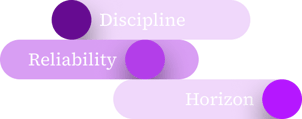
Enhance has built Monitor around a quarterly review cycle for four reasons. The first is the discipline of an evidenced review. The second is the time required for counterparty data to settle and reconcile. The third is the multi-year nature of trustee investing. The fourth is the economic reality of producing analyst-verified output at scale. The three pillars below group these into the framework trustees should hold any monitoring service up against. The first pillar is the discipline of the cycle itself. The second is the reliability of properly reconciled data. The third is the alignment of the timing to both the duty and the deliverability of the service.

There are circumstances in which a trustee genuinely needs more frequent visibility on a portfolio: an active corporate action, an in-flight transition between managers, a mandate change being implemented, a beneficiary event that triggers a near-term distribution requirement. In those circumstances, the Governance Manager (see The Governance Manager) supports the trustee directly between quarterly reviews, leaning into data made available to the trustee by the manager directly through their online portal. Connect dashboards remain accessible to the trustee at any time and reflect the most recent data Connect holds. The quarterly cycle is the rhythm of the verified review, not the frequency at which Enhance is available to the trustee. The two are different things.
A daily refresh is not better oversight than a quarterly review. It is a different thing entirely, and not the thing you need. Verified, reconciled, analyst-checked data, reviewed against your framework, with action points you can take to the manager, is what discharges the oversight duty. That is feasible at quarterly frequency and not daily. The schedule Enhance has built Monitor around is the rhythm at which the duty is properly evidenced, the data is properly reliable, the horizon is properly matched, and the service is properly deliverable. The day, in investment governance terms, is the wrong unit.
Sign-up for the latest news and insights from Enhance, delivered direct to your inbox.