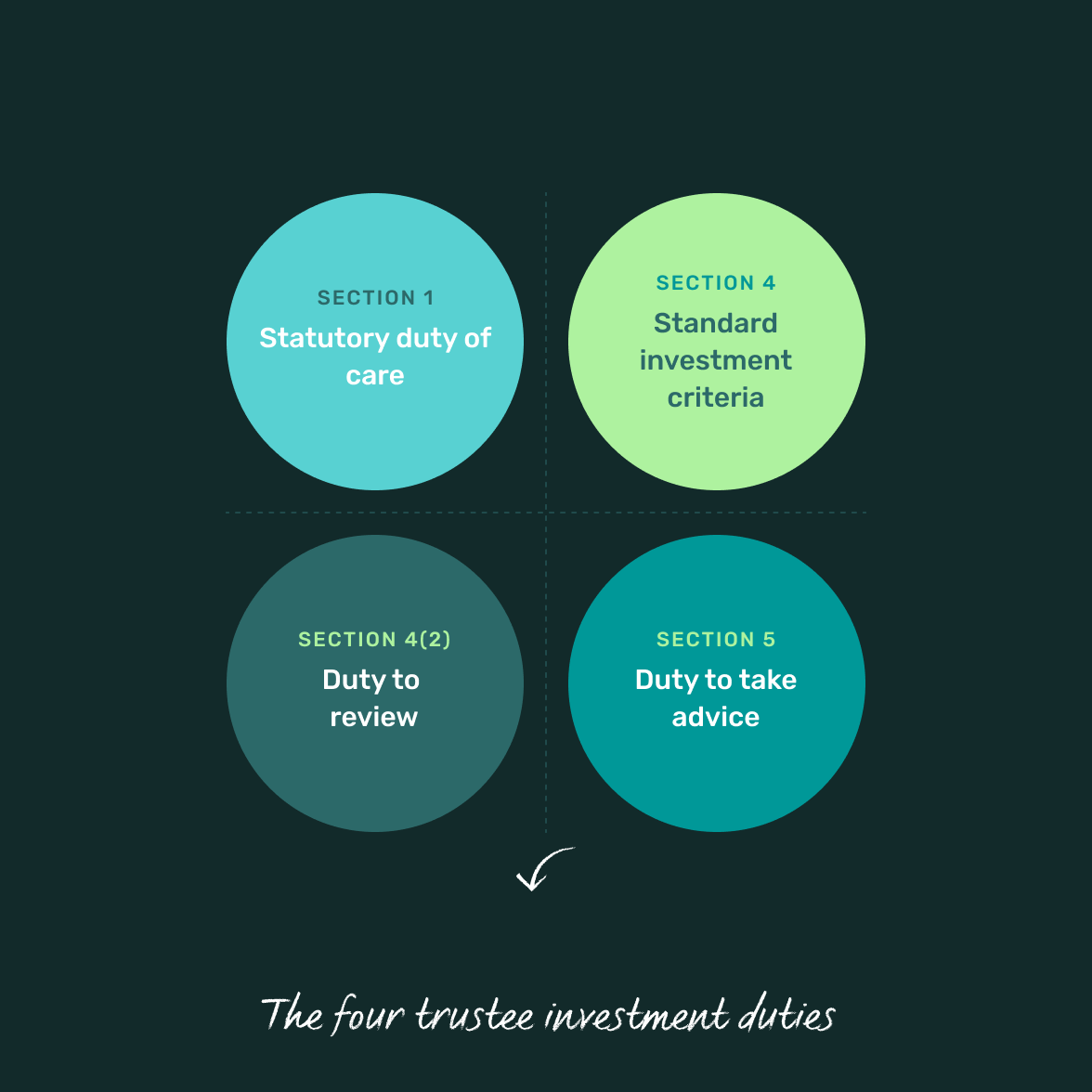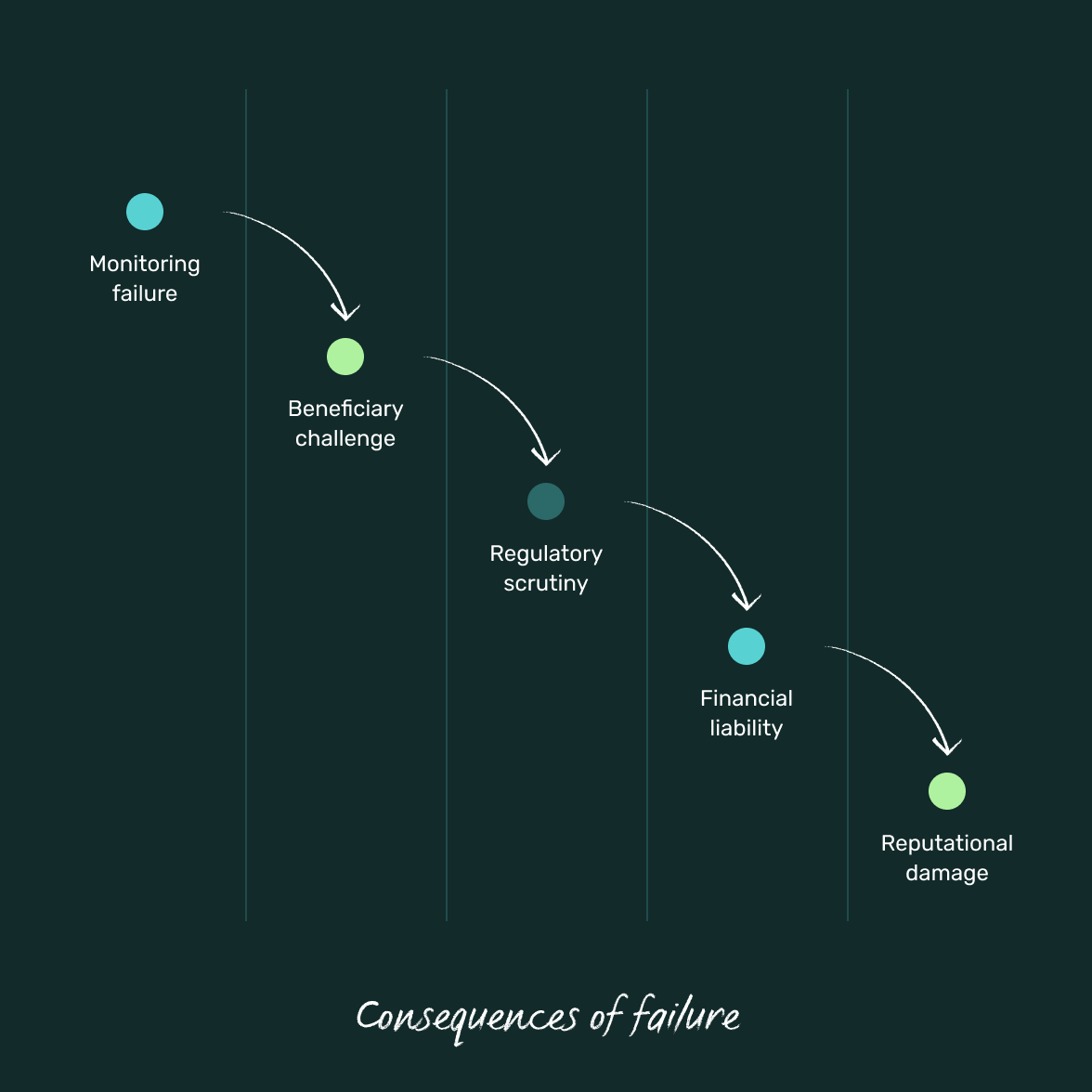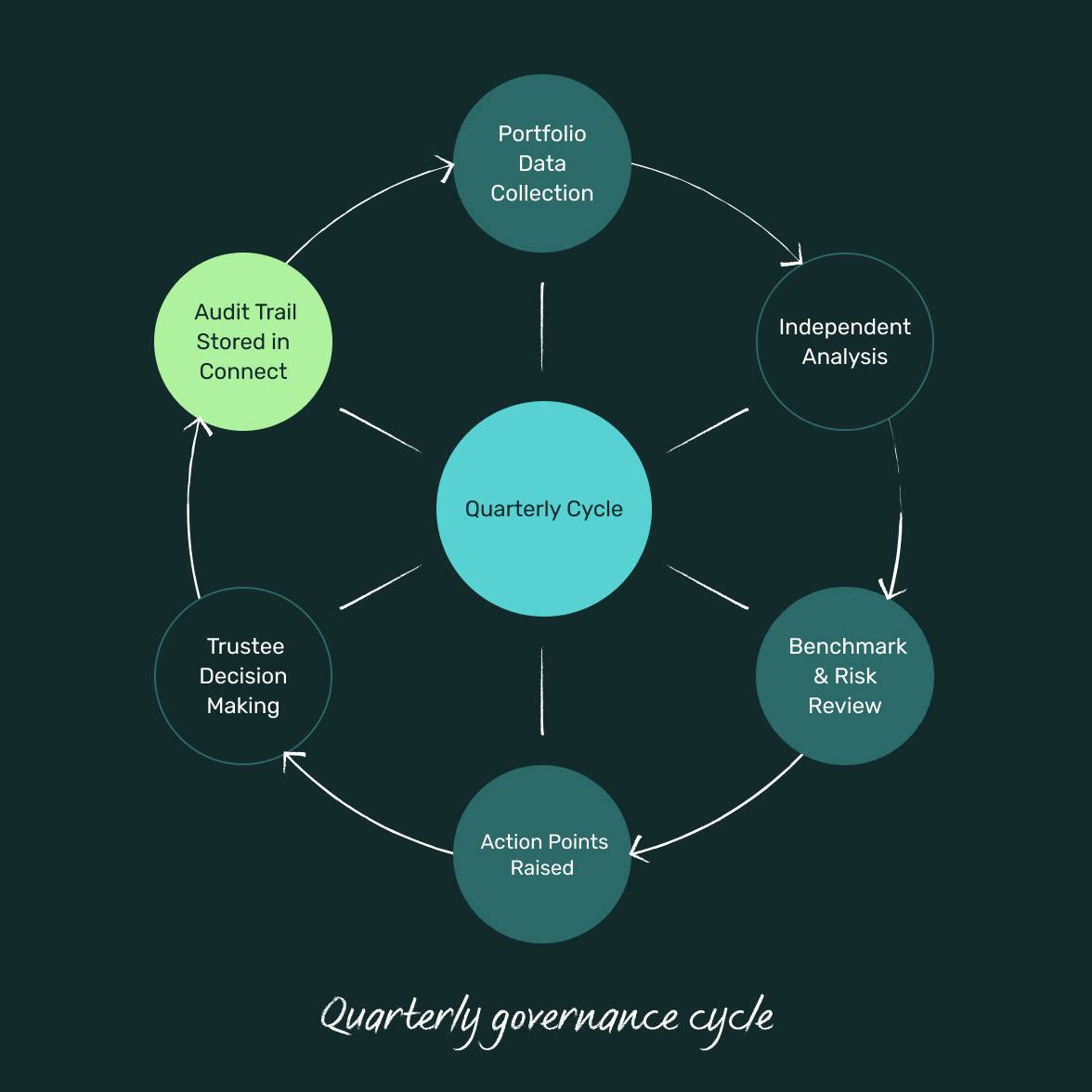
This article is a plain-English guide for trustees. It covers the four investment duties that sit at the heart of trustee best practice worldwide — using the Trustee Act 2000 of England and Wales as the framework — the five main consequences of getting it wrong, and how independent portfolio monitoring, delivered through a purpose-built investment governance platform, helps trustees close the gap between what they are expected to do and what they can demonstrably prove they have done to their beneficiaries and regulators.
Being a trustee that’s responsible for an investment portfolio has always been a serious job, but it has become a more scrutinised one. Beneficiaries are better informed, regulators are more active, and investment portfolios are more complicated than they were twenty-five years ago. Yet the core investment responsibilities of a trustee have not fundamentally changed since the Trustee Act 2000 – legislation that paved the way for modern trusteeship around the world. Trustees are expected to act prudently, to keep every portfolio under regular review, and to take proper advice where they need it.
Most trustees already know this. What they find harder is proving, across every client and every portfolio, that they have done it consistently. Investment manager reports are rarely designed to answer the questions a trustee needs answered. Mandate compliance, suitability, independent benchmarking, and action tracking do not appear in most manager statements — and when they do, they are not independent and do not conform to a common review framework. That gap between duty and evidence is where trustee investment risk sits and is the gap that Enhance’s services seek to fill.
Trustee Act 2000: the four trustee investment duties
The Trustee Act 2000 came into force on 1 February 2001 in England and Wales. It modernised trustee investment powers and, crucially, set out a statutory framework for how those powers must be exercised. Four duties sit at its heart, and they have become the de facto reference point for trustee investment best practice across the common-law world.