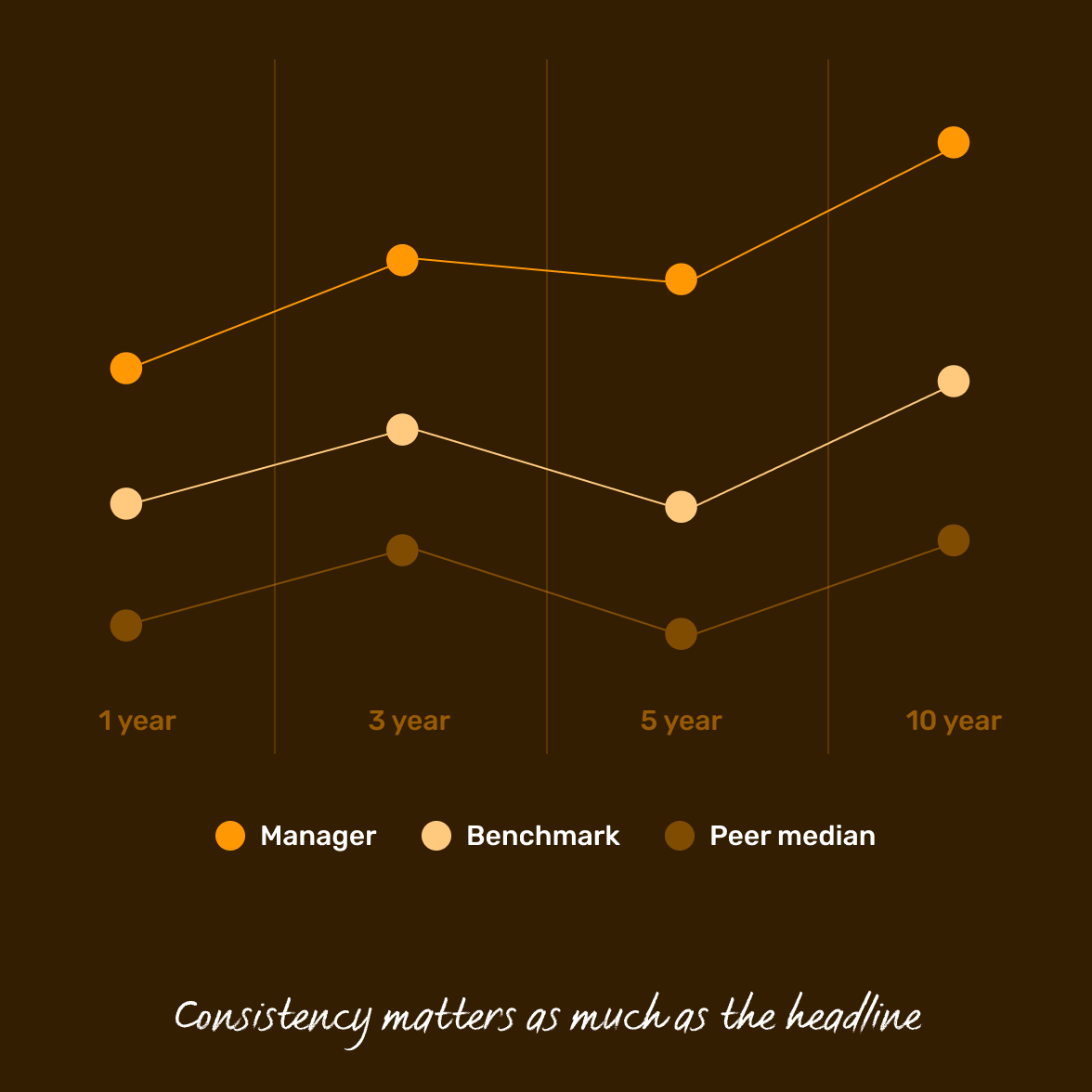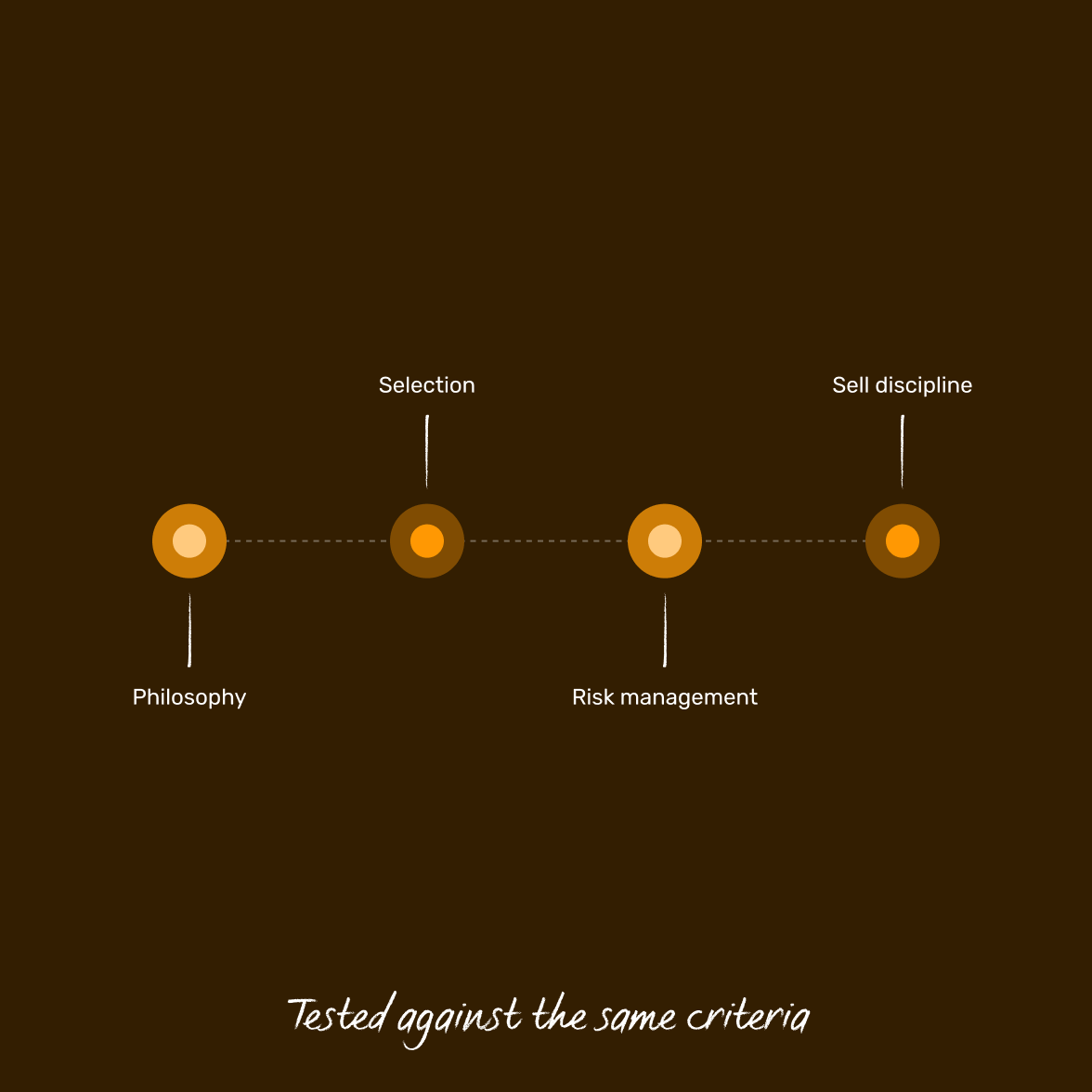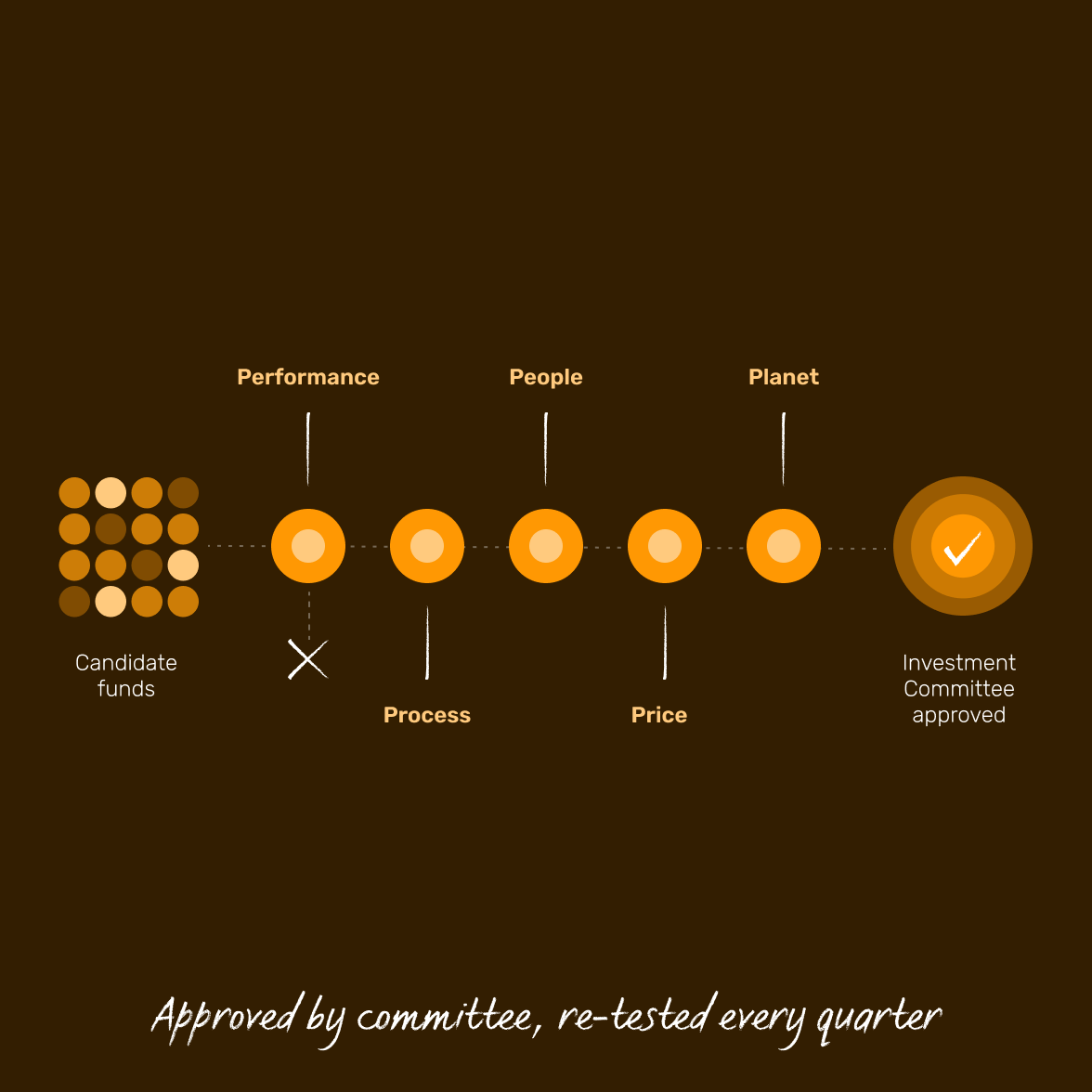
This playbook is a plain-English guide for trustees. It sets out a five-pillar research process for evaluating investment managers, so that a trustee’s eventual decision rests on comparable, evidenced findings rather than on relative impressions formed in a meeting. The same framework should hold up just as well when a fund is reconsidered years later as it did on the day it was first approved.
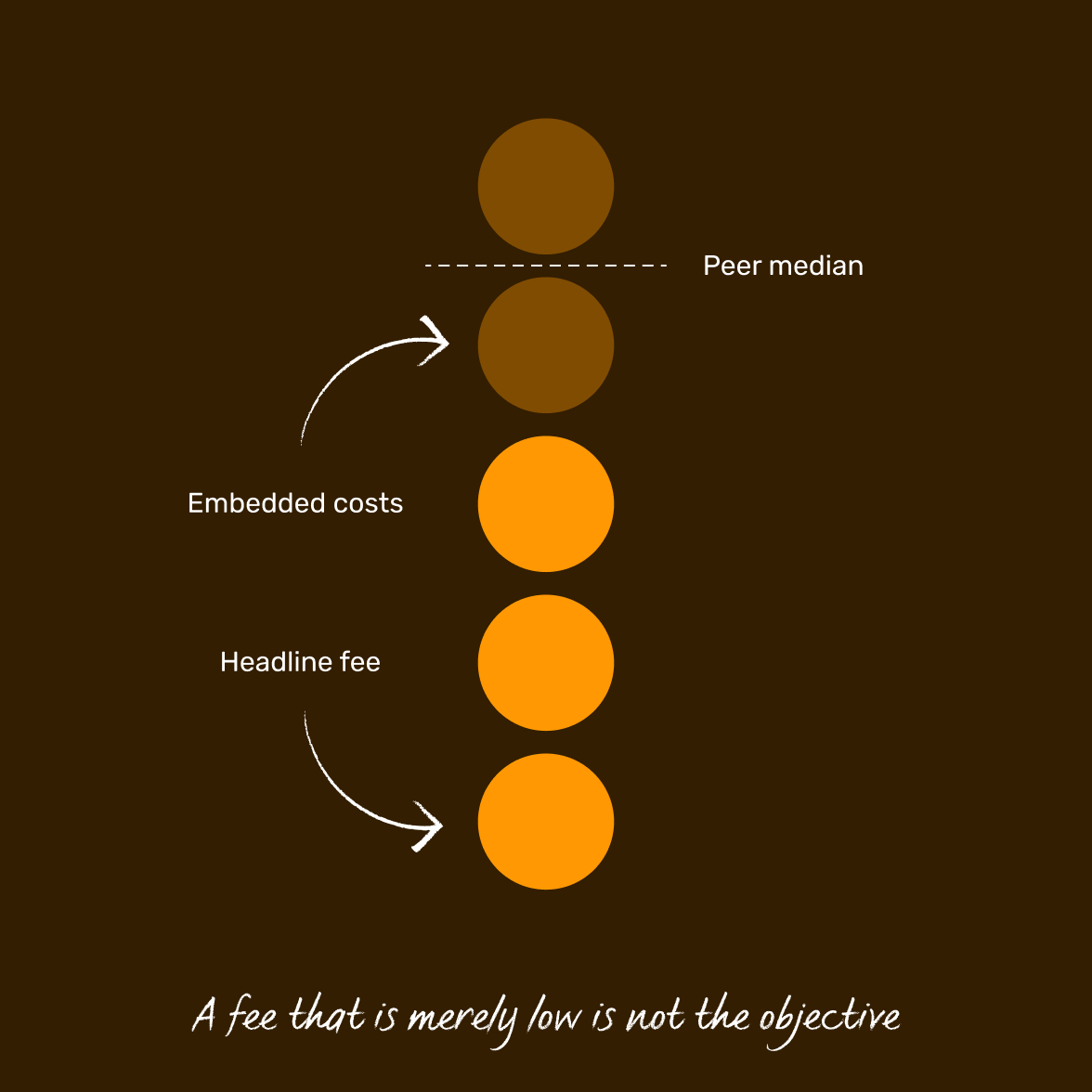
Trustees are rarely equipped to independently assess a fund manager’s process, team stability or embedded costs to the same depth a dedicated research function can. Yet the decision of which managers sit in a portfolio is one of the most consequential a trustee makes. It is tested for years afterwards, against the standard of what a prudent trustee ought reasonably to have known at the time.
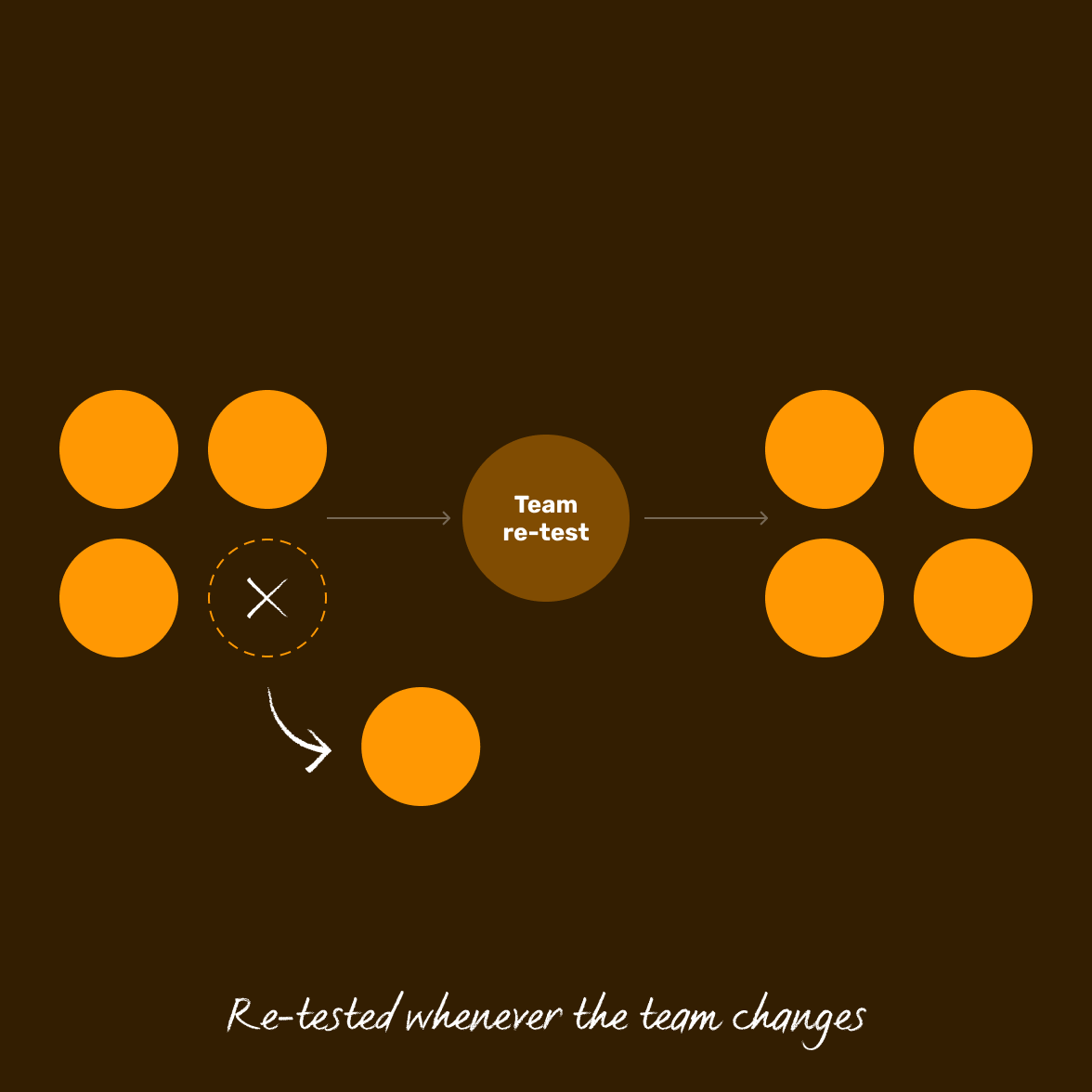
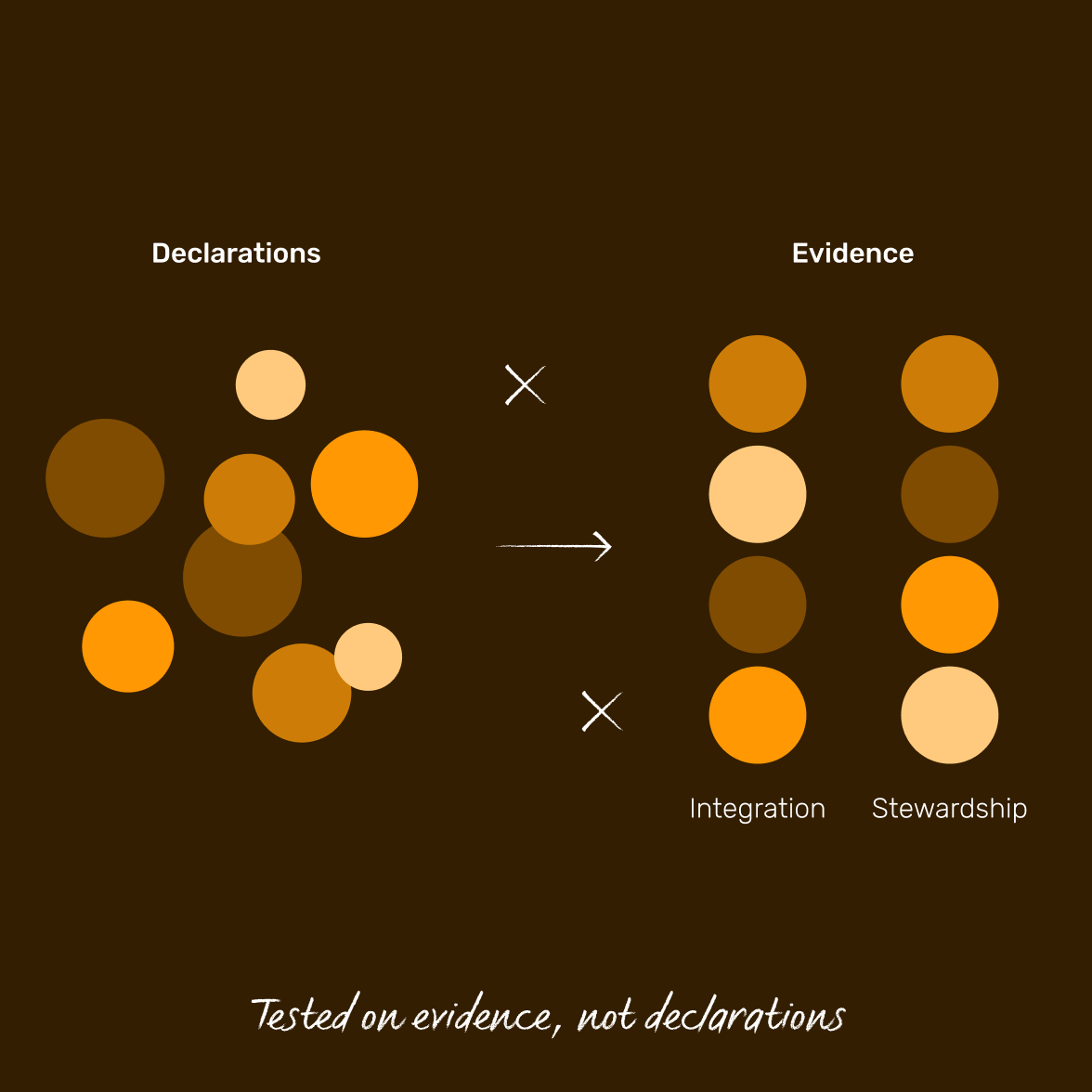
A structured, repeatable research framework closes that gap. It applies the same criteria, in the same order, with the same evidence requirements, to every manager under consideration, whether the strategy is active, passive or alternative. It also re-tests managers already approved, rather than treating approval as a one-off event. This playbook sets out the five pillars such a framework should cover, and how each is tested in practice.
The manager being tested might run a fund a trustee is considering for a platform-based portfolio, or a segregated mandate appointed to manage assets directly. The five pillars apply to either. A trustee selecting or retaining a manager without an equivalent evidenced process carries the same duty exposure whichever structure is used.