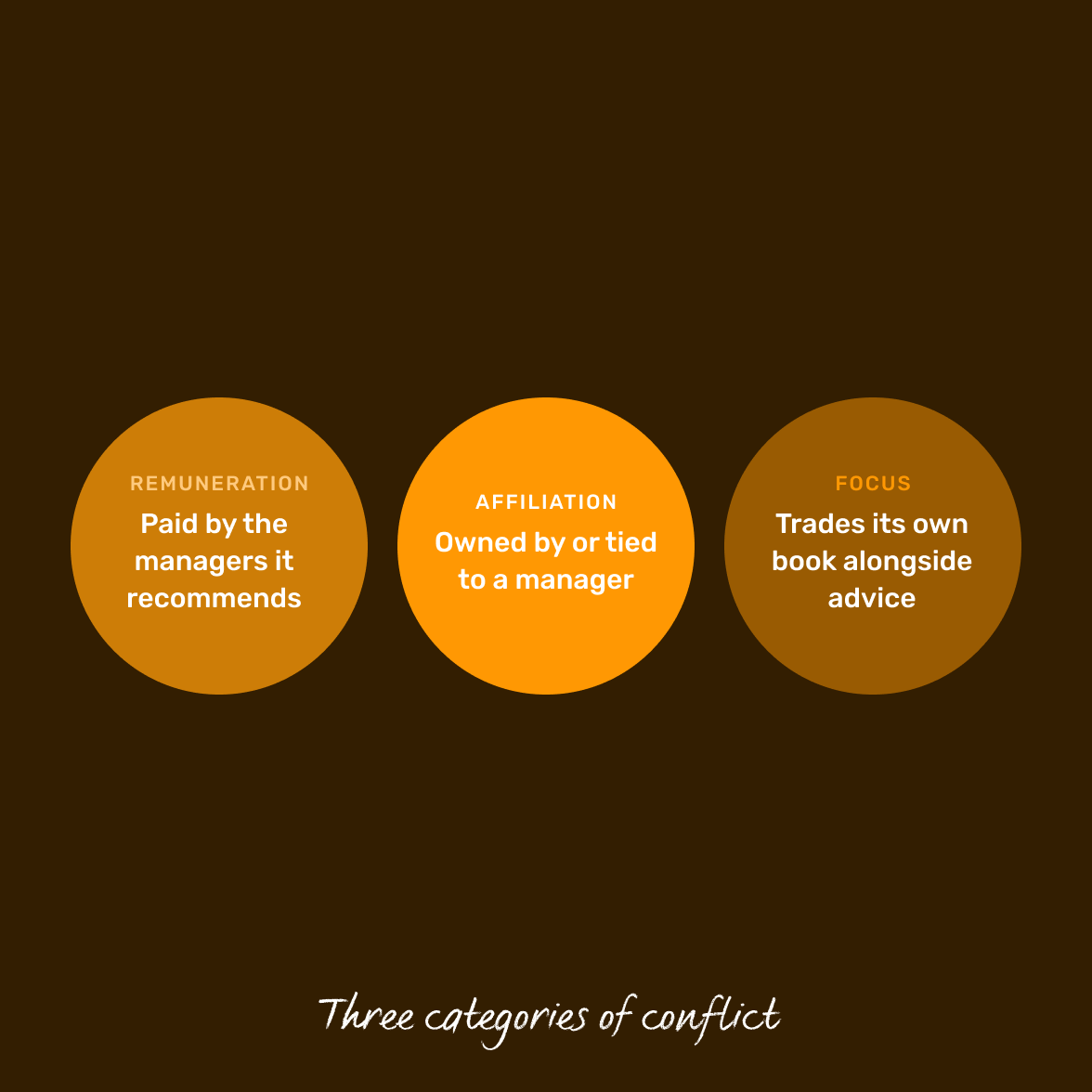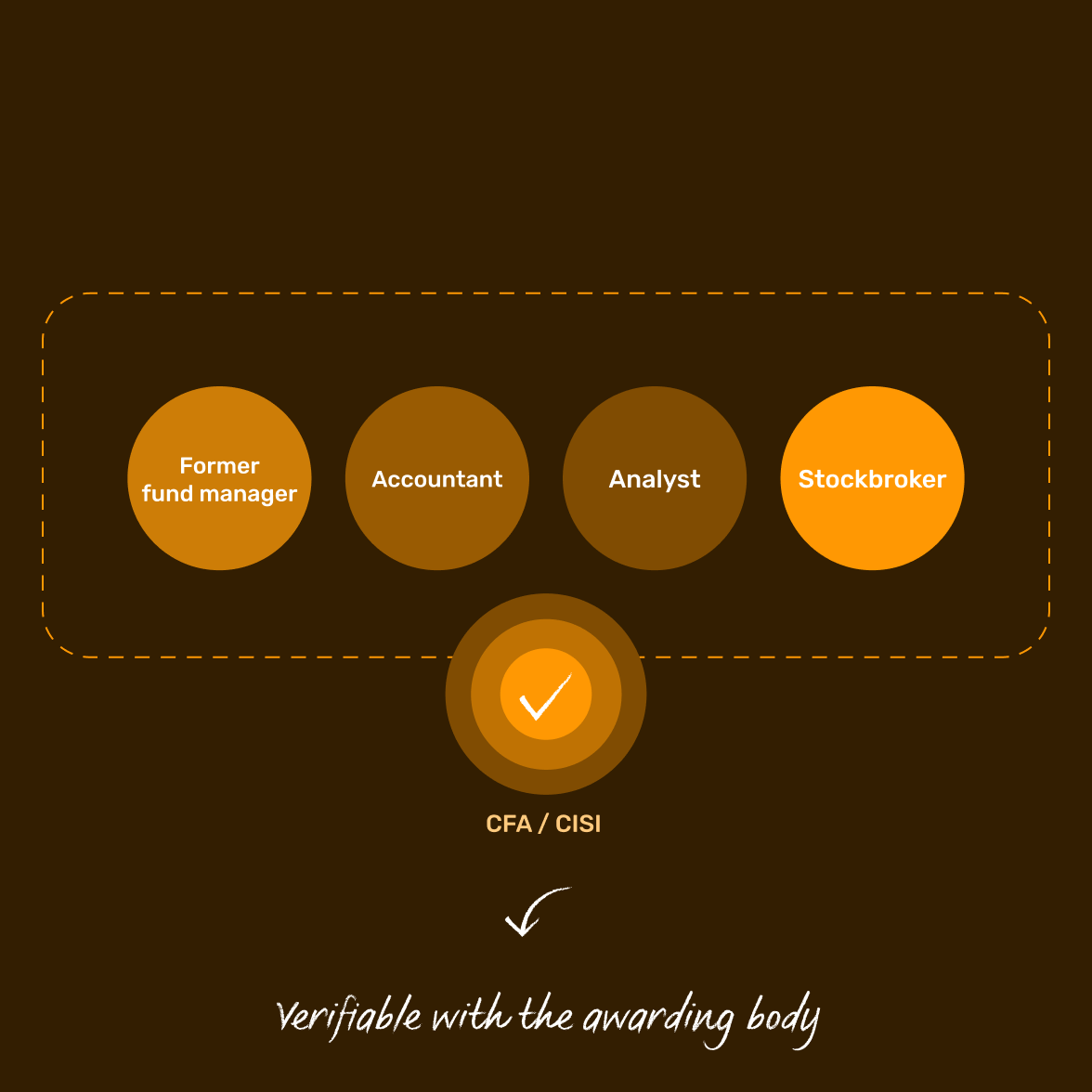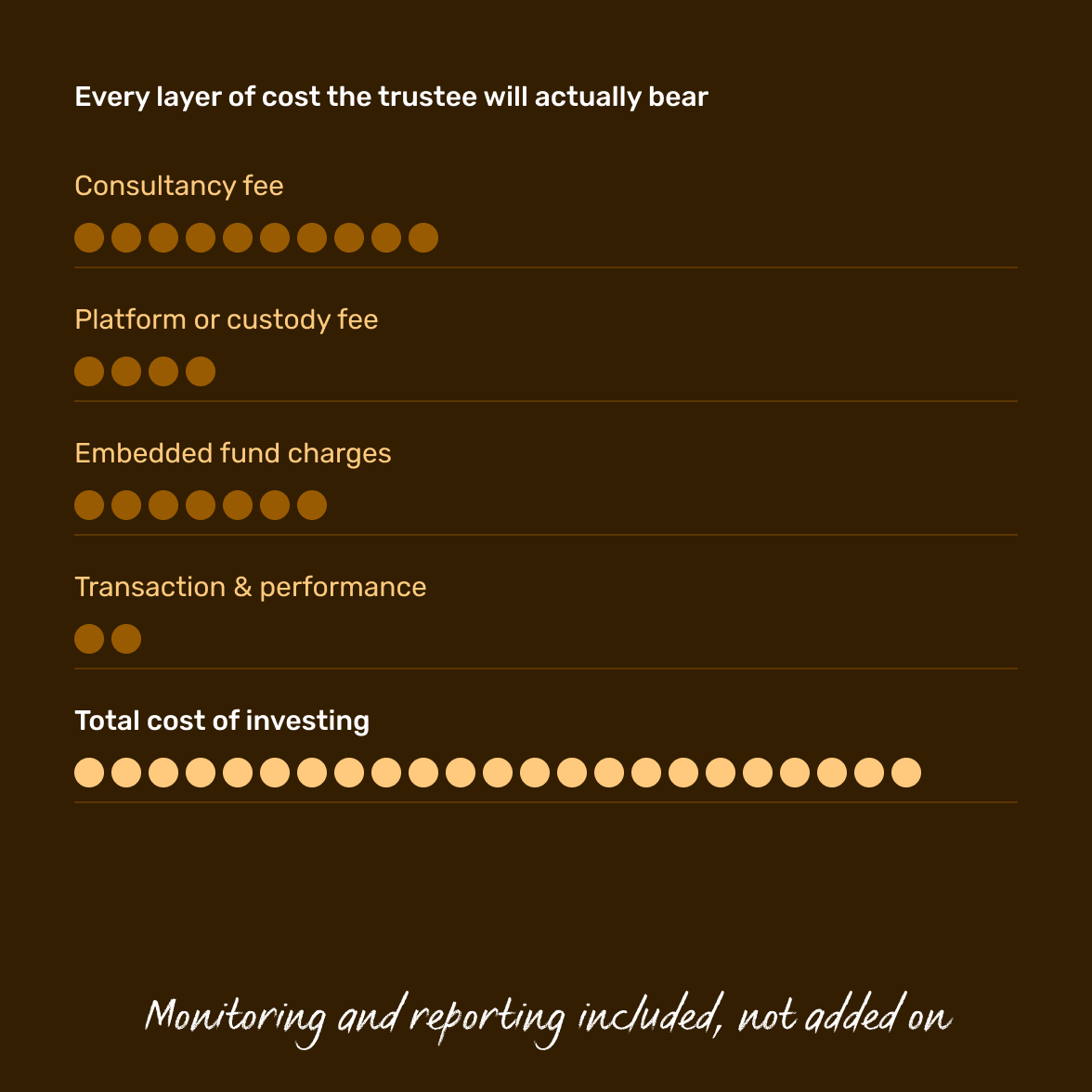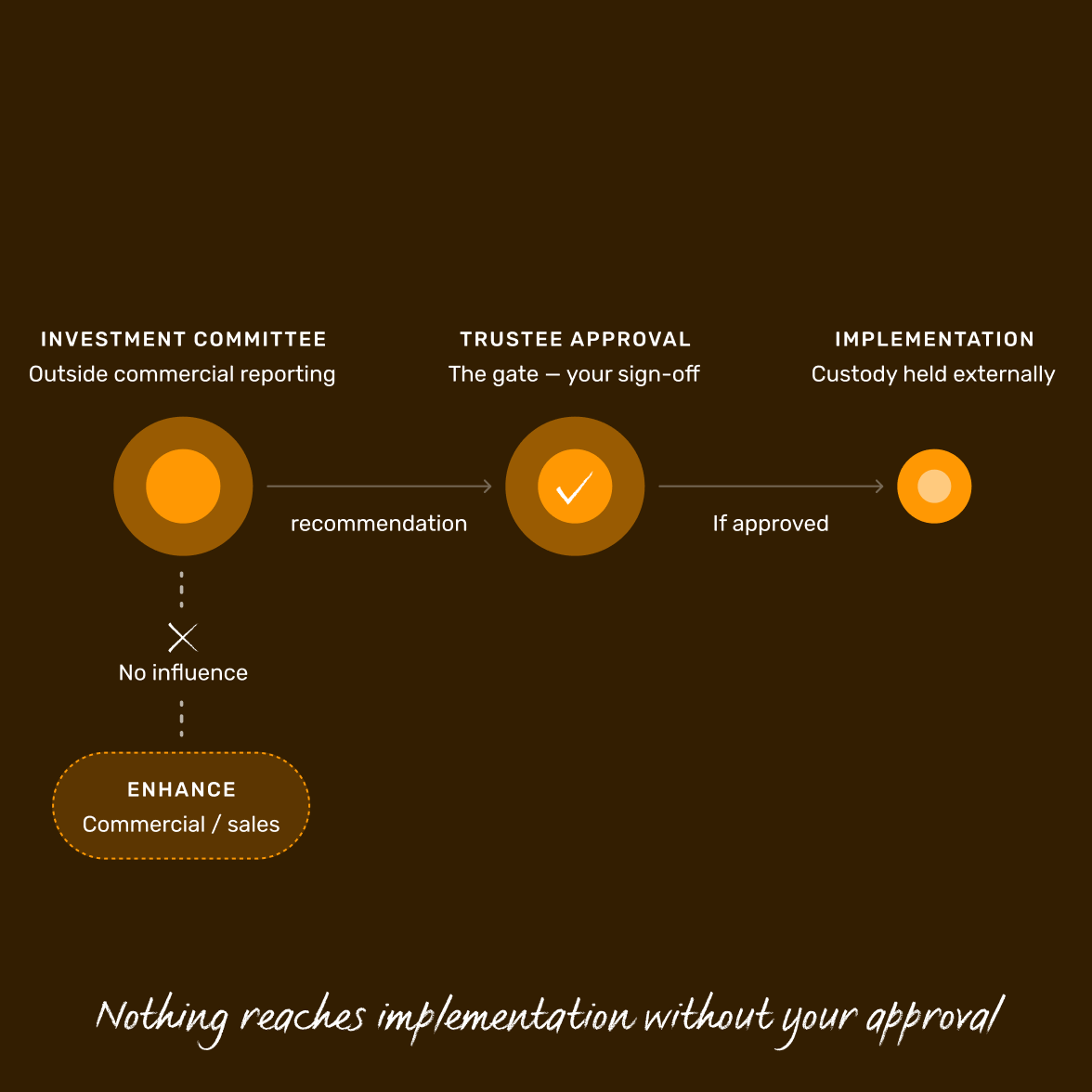
This playbook is a plain-English guide for trustees. It sets out five tests to apply before appointing an investment consultant, and the conflicts of interest that make those tests necessary. It also shows how a consultant’s answers separate a genuinely independent relationship from one that only looks like one.
This playbook uses ‘investment consultant’ throughout, matching how Enhance describes the role. In practice, ‘consultant’ and ‘adviser’ are used interchangeably across the industry to describe a firm that provides investment advice, as distinct from an investment manager, who manages or executes the underlying assets.
Appointing an investment consultant is a governance decision, not a relationship decision. The consultant a trustee chooses will shape every investment manager selected, every fee paid and every recommendation made for years to come. Yet most trust companies apply far less scrutiny to this appointment than they do to the investment managers the consultant goes on to select.
From the outside, investment consultants look broadly similar. Most will describe their process as rigorous, their advice as independent and their fees as competitive. Underneath, consultants differ in how they earn their revenue, who owns and influences the firm, and how disciplined their manager research is. They also differ in what the engagement costs in full, and whether a trustee's own approval sits before every recommendation is implemented. This playbook sets out five tests that surface those differences.